Nose Centre/videos/posters/QUOLE-Nasenzentrum.webp
Adjustment of Arab nose shapes in Waalre
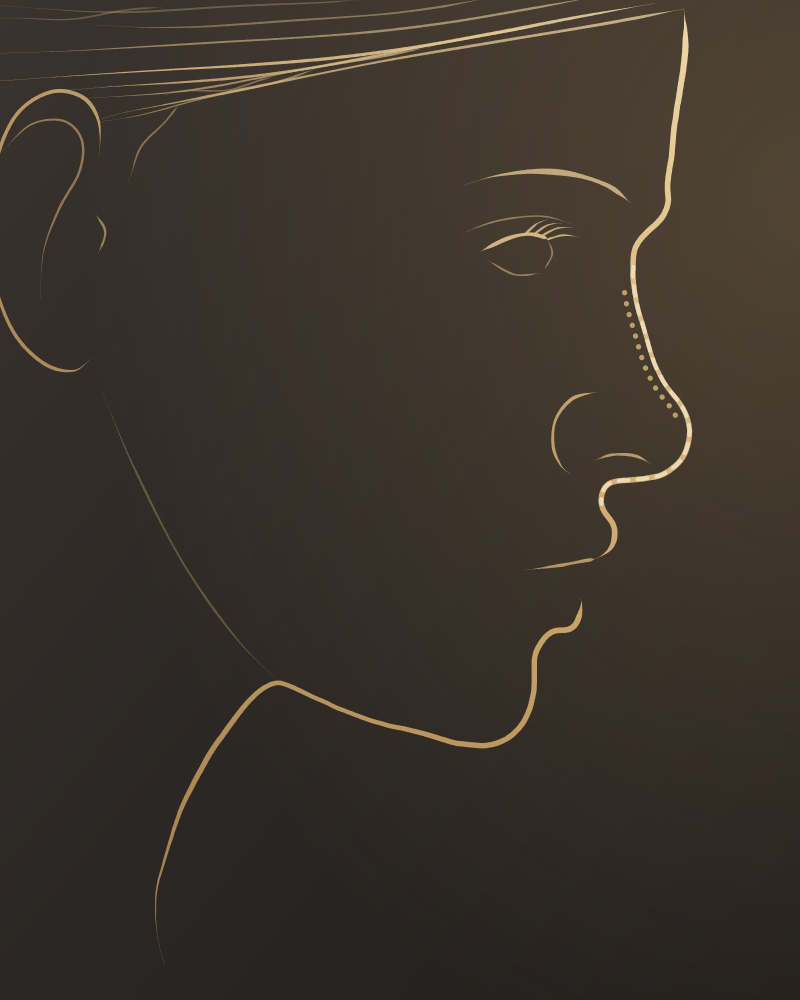
A surgical adjustment of your Arab nose shape, planned according to your wishes. Our doctors shape your nose precisely and aesthetically, with the aim of a harmonious, individual appearance while preserving your ethnic features.
Adjustment of Arab nose shapes in Waalre: Nose Centre at Medisch Centrum Waalre
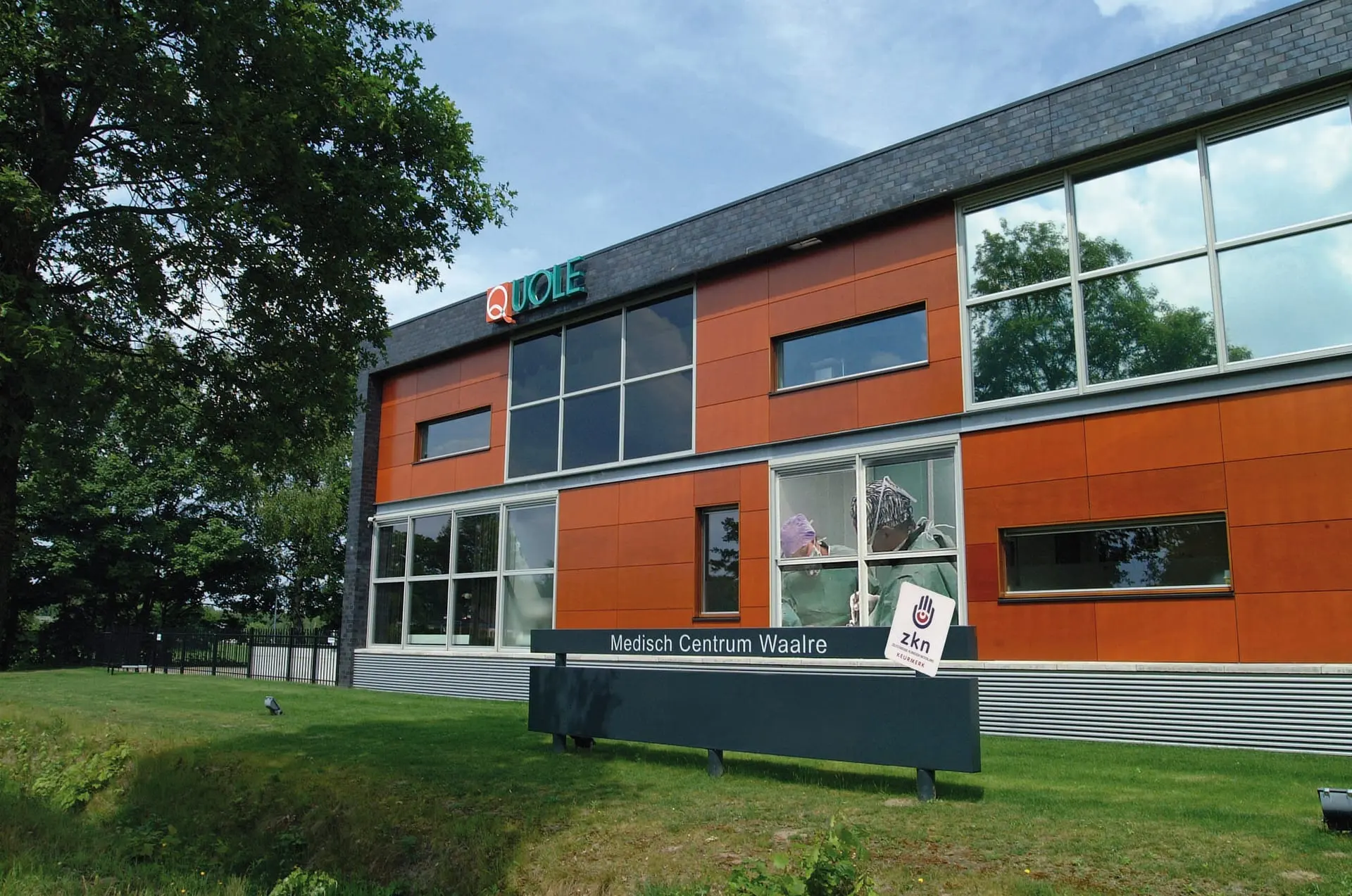
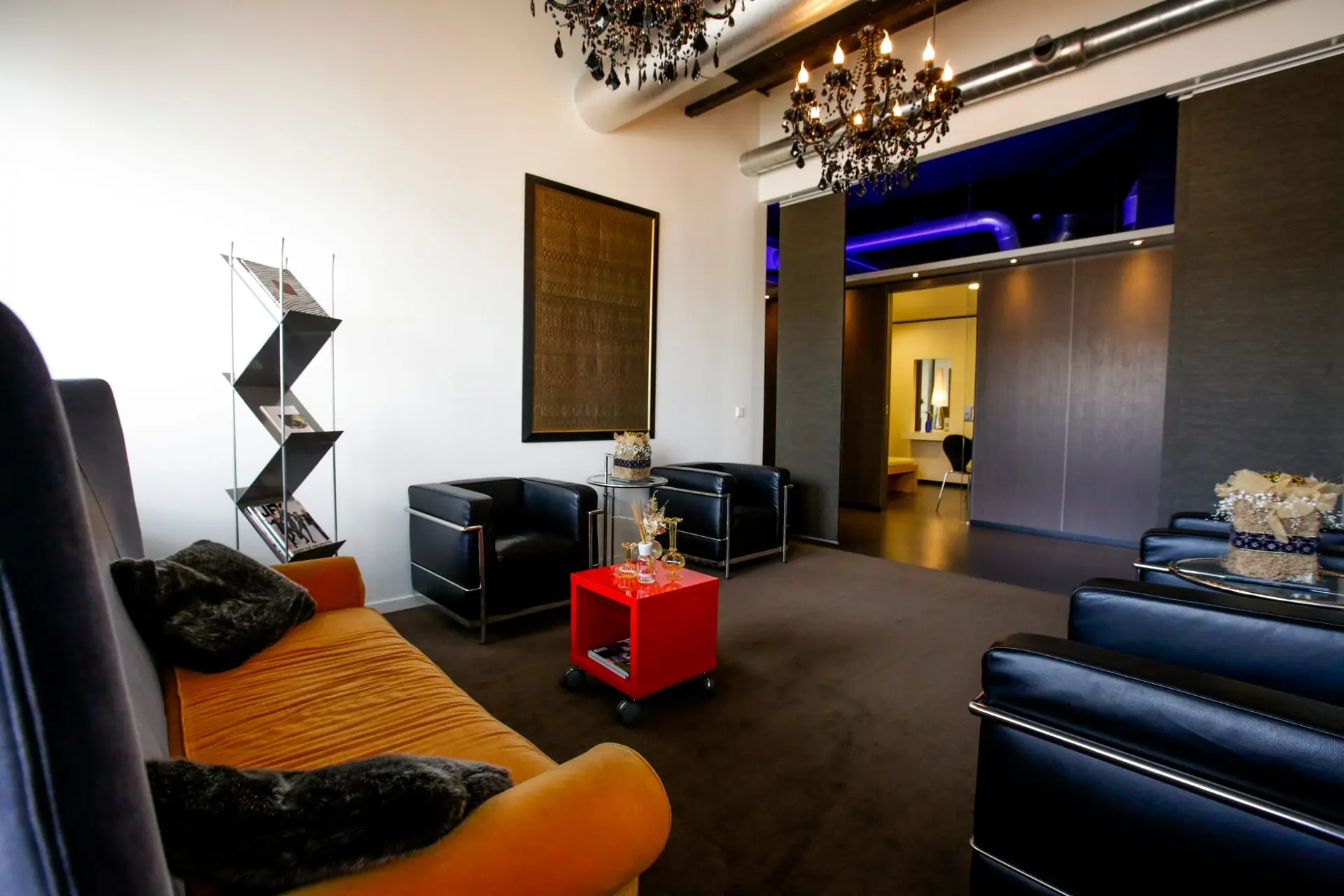
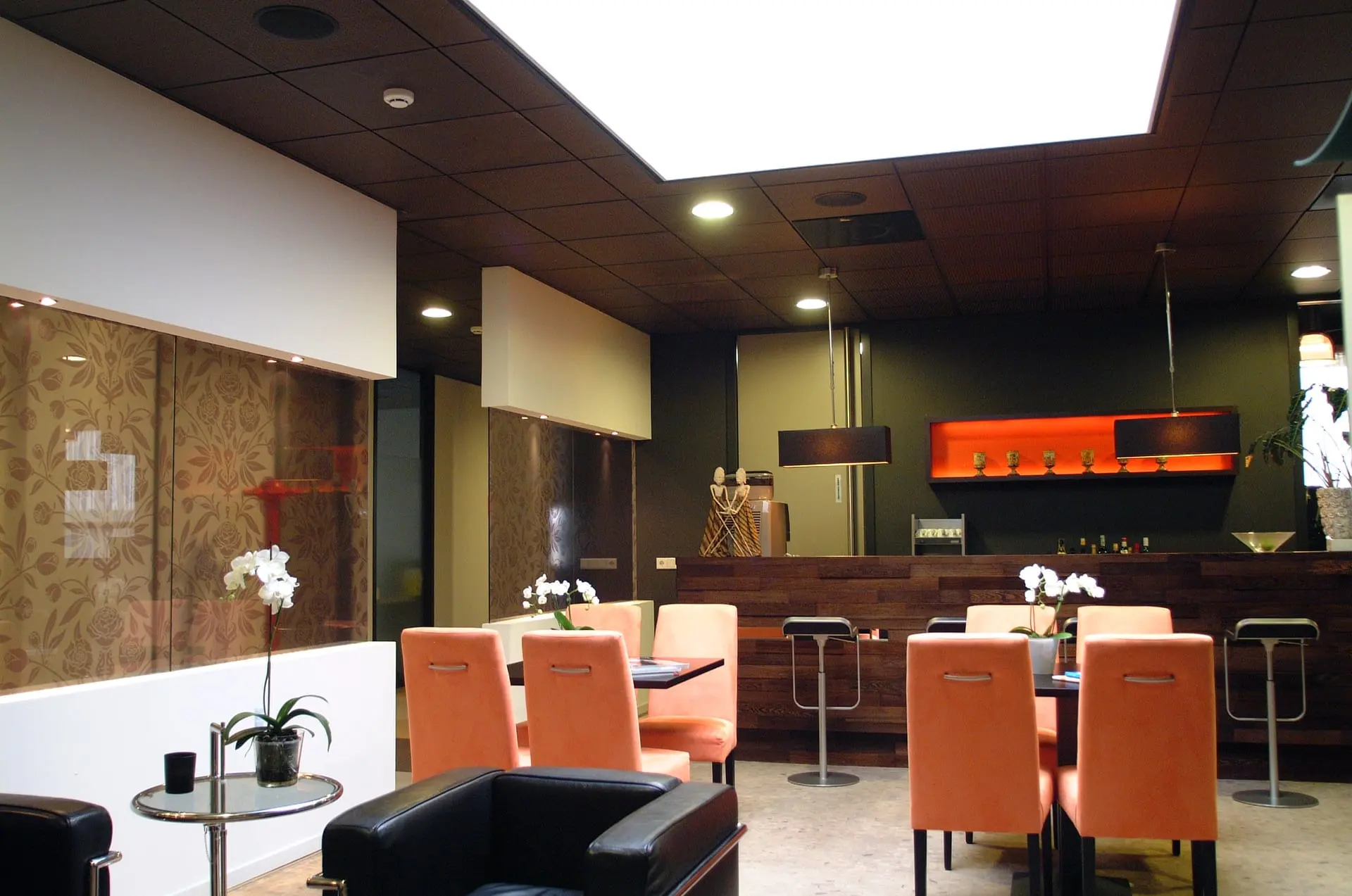
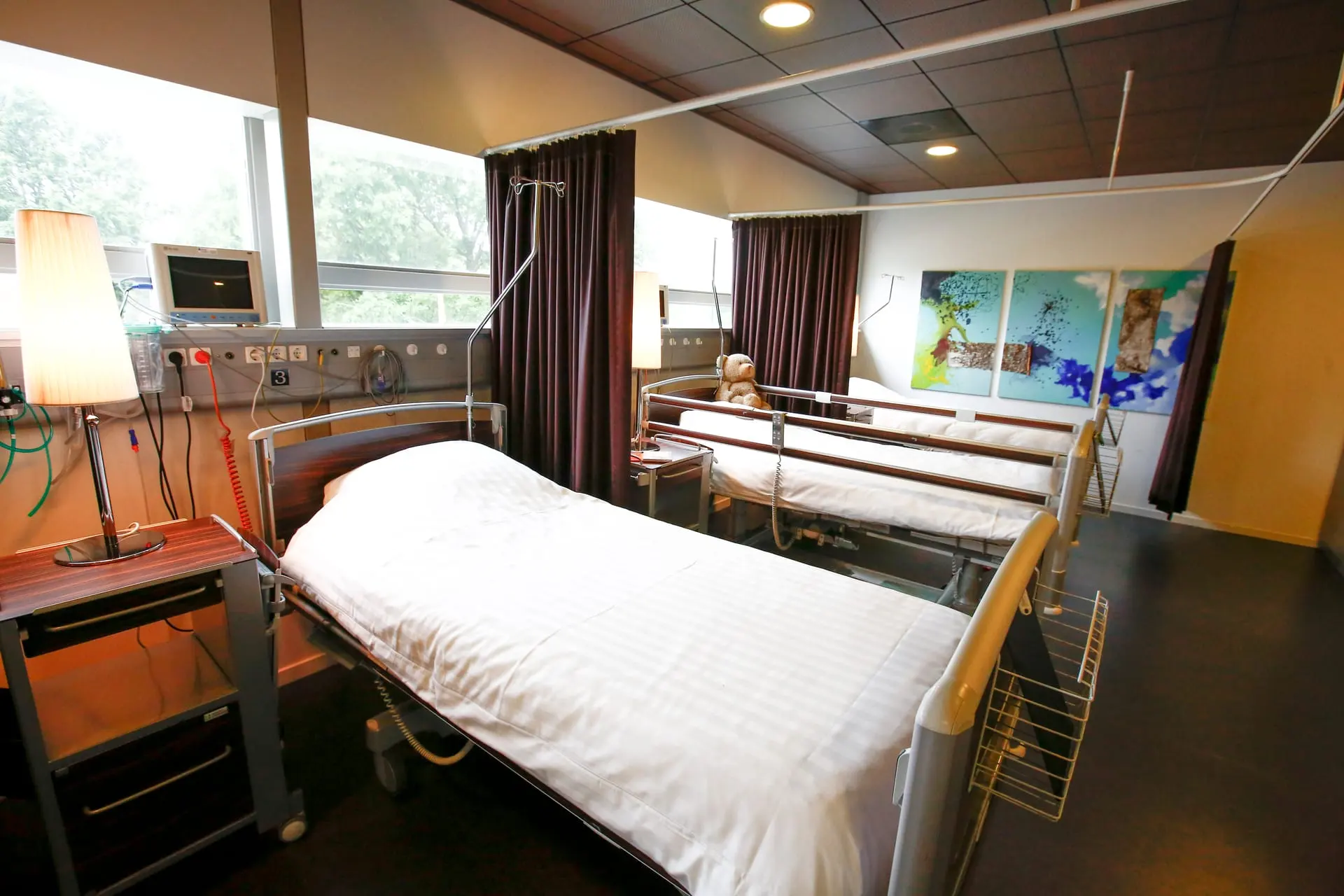
For the adjustment of your Arab nose shape, you come to the Nose Centre at QUOLE Medisch Centrum Waalre, Van Dijklaan 9, 5581 WG Waalre. The centre has its own surgical suite with two operating theatres. You spend the one to two nights after the procedure at the centre; depending on the operation, it is discussed in advance whether you stay one night or go home after the operation.
This is why patients choose to have their Arab nose shape adjusted
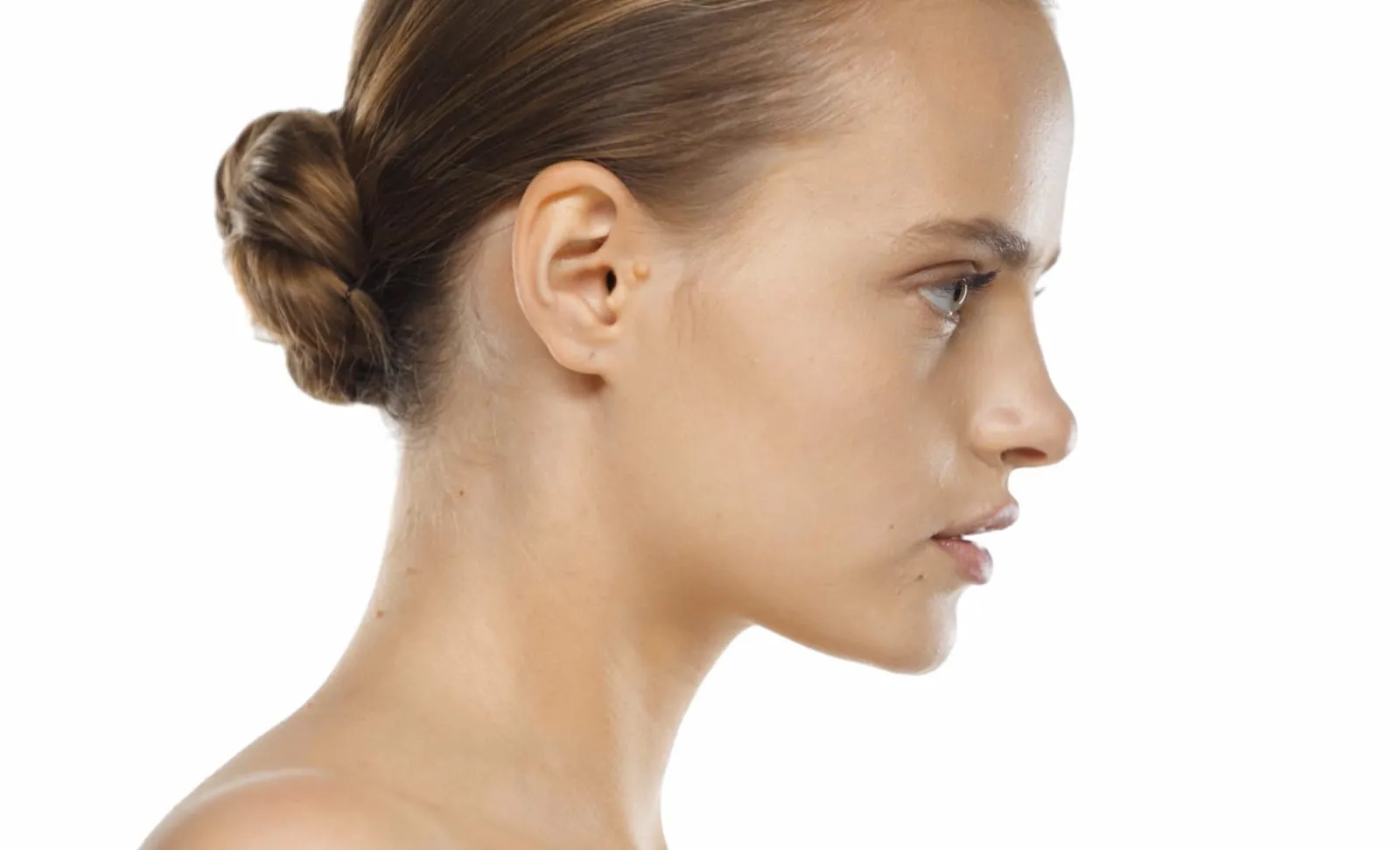
Adjustment to international ideals of beauty for a slimmer and straighter nasal profile
Reduction of a high nasal bridge for a less striking and more harmonious face
Refinement of the nasal tip for a narrower and more defined appearance
Wish for a nose shape that better matches your individual aesthetic preferences
Plastic surgery has developed considerably over the past decades, particularly in the field of ethnic rhinoplasty, which makes it possible to change the shape of a nose while retaining ethnic features. Such a procedure requires not only surgical skill but also a deep understanding of the cultural and aesthetic wishes of patients. On this page you can find out more about the adjustment of Arab nose shapes, from the aesthetic and functional challenges to the various treatment options and the factors on which the result depends.
What is meant by the adjustment of Arab nose shapes?
The adjustment of Arab nose shapes refers to a specialised form of rhinoplasty that deals with the particular features of the Arab nose. Arab noses are often characterised by a high nasal bridge, a striking nasal tip and sometimes a wide nasal base. These features are deeply rooted in ethnic identity, yet not all patients perceive them as aesthetically advantageous or functionally ideal.
The aim of the adjustment is to harmonise the appearance of the nose without losing ethnic identity. The nose is shaped so that it is more in keeping with the other facial features. At the same time, functional aspects such as breathing difficulties can also be corrected. This requires a precise surgical technique and a sensitive approach, with the aim of a natural-looking, balanced result.
What restrictions come with an Arab nose shape?
Many patients with an Arab nose shape perceive certain features of their nose as aesthetically or functionally restrictive. The most common challenges include:
High nasal bridge: A pronounced nasal bridge can dominate the profile and be perceived as too striking. Some patients would like a reduction of the nasal bridge in order to achieve a softer and more harmonious profile.
Pronounced nasal tip: A striking or drooping nasal tip can give the impression that the nose is too prominent in relation to the other facial features. This can affect the overall appearance of the face and give rise to the wish for a refinement of the nasal tip.
Wide nasal base: Some patients perceive the width of the nasal base as too dominant. A narrower nasal base can make the face appear slimmer and more elegant, which many patients find desirable.
Functional restrictions: Besides aesthetic aspects, functional problems can also occur. A deviated nasal septum or narrowed nasal passages can cause breathing difficulties that considerably affect everyday life. These functional restrictions can be treated in combination with aesthetic corrections.
These restrictions can lead patients to opt for a surgical adjustment in order both to realise their aesthetic ideas and to resolve functional problems. The motivation for a nose correction is individual and should be discussed with the surgeon in a detailed consultation.
Nose Centre: aims of adjusting an Arab nose shape
Improvement of breathing function by correcting a curved nasal septum or narrowed nasal passages
Reduction of sinus problems by improving the nasal structure, which can ease airflow and reduce inflammation
Correction of structural asymmetries to improve nasal function and symmetry
Prevention of chronic complaints by stabilising the nasal structure and improving air circulation
What options are there for treating an Arab nose shape?
The surgical options for adjusting an Arab nose shape are varied and depend on the individual wishes and needs of the patient. The choice of technique depends on the specific features of the nose and on the aesthetic goals the patient is pursuing. Common treatment methods include:
Methods compared
The common methods compared
Every procedure is planned individually and tailored to the needs of the patient. The surgeon suggests the appropriate techniques to achieve the desired changes while preserving the natural facial features and ethnic identity.
Reduction of the nasal bridge
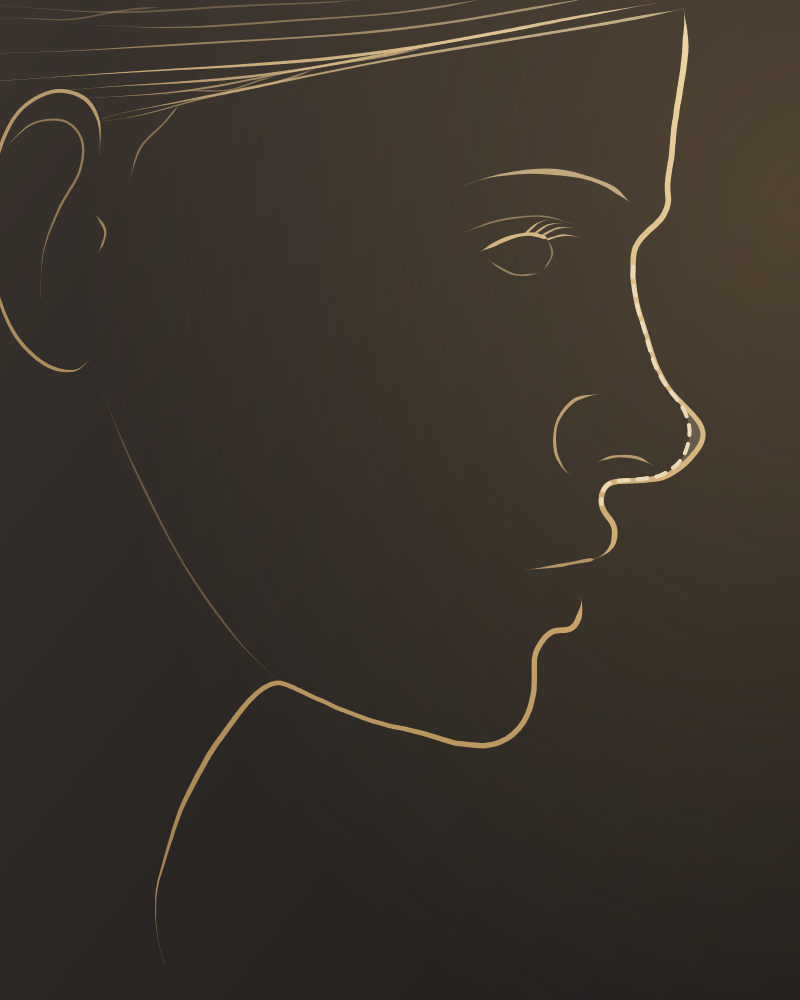
With a high or curved nasal bridge, a surgical reduction can be carried out to smooth the profile and achieve a more harmonious appearance. Excess bone or cartilage is removed to achieve the desired shape.
Procedure on
Bone or cartilage of the nasal bridge
Aim
a smoother profile
Refinement of the nasal tip
The nasal tip can be reshaped using various techniques. This can include a reduction in size, an increase in definition or a lifting of the nasal tip. The aim is to shape the nasal tip so that it better suits the other facial features.
Procedure on
Nasal tip
Aim
reduced, defined or lifted
Narrowing of the nasal base
To reduce the width of the nasal base, excess tissue can be removed and the nostrils narrowed. This technique is often used to make the face appear slimmer and more balanced.
Procedure on
Tissue of the nasal base
Aim
a narrower nasal base
Correction of functional problems
In combination with aesthetic adjustments, functional problems such as a curved nasal septum or narrowed nasal passages can also be treated. This is intended not only to improve breathing but also to contribute to better well-being.
Procedure on
Nasal septum, nasal passages
Aim
better breathing, in the same procedure
Implants or your own tissue
In some cases it may be necessary to use implants or the body’s own tissue to raise the nasal bridge or strengthen the structure of the nose. These techniques serve to achieve the desired shape and stability of the nose.
Material
Implant or the body’s own tissue
Aim
support the structure of the nose
What is the procedure for adjusting an Arab nose shape at Medisch Centrum Waalre?
The process of surgically adjusting an Arab nose shape begins long before the actual procedure. Careful preparation and a detailed consultation are crucial for the course of treatment. The process can be divided into the following steps:
Step 1
Beforehand
First consultation and planning in Waalre. The first step is a detailed consultation with the surgeon. In this session the patient's aesthetic wishes and expectations are discussed. The surgeon carries out a thorough examination of the nasal structure and prepares a detailed analysis. Possible functional problems that can be treated at the same time are also identified. On the basis of this information, an individual treatment plan is drawn up.
Step 2
Before surgery
Preparing for the procedure. Before the operation, patients receive detailed instructions on how to prepare. Among other things, this includes avoiding certain medicines that could increase the risk of bleeding, as well as abstaining from nicotine and alcohol. Thorough preparation contributes to a smooth operation and to recovery.
Step 3
Day of surgery
The surgical procedure. The operation itself is usually performed under general anaesthesia. Depending on the extent of the procedure, the duration can vary between one and three hours. During the operation, the surgeon will make the previously agreed adjustments by reshaping the nasal structure and implementing the desired changes. Modern surgical techniques make it possible to place the incisions as inconspicuously as possible in order to minimise visible scars.
Step 4
The weeks that follow
Postoperative care and aftercare. After the operation there is intensive postoperative care, usually with one to two nights in the clinic. Patients need to rest for a few days and are closely monitored during this time. Swelling and bruising are normal in the first few days and usually subside within two weeks. In the first weeks after the operation, regular follow-up appointments are necessary to monitor the healing process and to detect complications at an early stage.
Step 5
After several months
Long-term results and follow-up checks. The final results of the nose correction only become visible after several months, once the swelling has completely subsided. Regular follow-up checks are important to assess the long-term course of the procedure.
What does the result of an adjustment of Arab nose shapes depend on?
A specific result cannot be promised in advance for a surgical adjustment of Arab nose shapes. The most important factors influencing the result include:
Experience of the surgeon: A surgeon with extensive experience in ethnic rhinoplasty and a deep understanding of the specific anatomical and aesthetic requirements is important for the result.
Realistic expectations of the patient: The success of a nose correction also depends on the patient’s realistic expectations. A good surgeon will set realistic goals in the consultation and inform the patient about the possible results and any limitations.
Individual adjustment of the procedure: Every patient is different, and the procedure should therefore be individually adapted to the specific needs and wishes. A tailored approach that respects the ethnic features is important for a natural-looking and satisfactory result.
Thorough aftercare: Careful postoperative care and aftercare contribute significantly to the healing process. The patient should follow the surgeon’s instructions carefully and attend regular follow-up appointments.
In addition to a change in appearance, the aim also includes functional improvements such as easier breathing. However, it is important to be aware that every surgical intervention carries certain risks and that the result depends on several factors.
What restrictions and risks are there with the adjustment of an Arab nose?
As with any operation, the surgical adjustment of Arab nose shapes involves potential risks and limitations that must be taken into account. The most common risks include:
Swelling and bruising: Swelling and bruising often occur after the procedure, but they usually subside within two weeks. In some cases, however, it can take longer for the swelling to subside completely.
Scarring: Although modern surgical techniques aim to minimise visible scars, conspicuous scars can occur in rare cases. This depends on the patient’s individual healing capacity and the placement of the incisions.
Infections: As with any surgical procedure, there is a small risk of infection. However, thorough hygiene and compliance with the postoperative instructions can reduce this risk significantly.
Dissatisfaction with the result: In some cases, the result may not meet the patient’s expectations. This may be due to unrealistic expectations or to individual differences in healing and in the result. Close communication with the surgeon and realistic expectations are crucial to avoid disappointment.
Breathing difficulties: In rare cases, breathing difficulties can occur after a nose correction, especially if the structure of the nose has been changed substantially. This can be remedied by an additional correction.
It is important that the patient is aware of the possible risks and makes an informed decision. An experienced surgeon will inform the patient comprehensively about all possible complications and take suitable measures to minimise the risk.
What does the adjustment of Arab nose shapes cost in Waalre?
You will find out the price of your treatment after the consultation.
Financing is possible through our financing partner, more on this under Financing your treatment.
What should I look for in a surgeon who is to reconstruct my Arab nose shape?
Choosing the right surgeon is one of the most important steps on the way to a successful result. When looking for a surgeon who specialises in the adjustment of Arab nose shapes, the following criteria should be considered:
Experience and specialisation: Choose a surgeon who specialises in ethnic rhinoplasty and has proven experience in adjusting Arab nose shapes. A surgeon who regularly performs such procedures will be better able to understand and implement your individual wishes and needs.
Certification and qualifications: Make sure that the surgeon has the necessary certifications and qualifications. A specialist in plastic and aesthetic surgery with a specialisation in rhinoplasty is a suitable choice.
Trust and communication: The relationship between patient and surgeon should be characterised by trust and open communication. A good surgeon takes time to answer your questions and takes your concerns seriously. They should also be able to set realistic expectations and inform you comprehensively about the procedure and aftercare.
Clinic and equipment: Make sure that the clinic where the procedure is performed is modernly equipped and hygienically impeccable. Good equipment and a professional environment contribute significantly to a safe procedure.
By carefully choosing an experienced and qualified surgeon, you can help to reduce the risk of complications. At the Nose Centre you can rely on expertise and care in carrying out adjustments of Arab nose shapes, both functionally and aesthetically. Make your no-obligation appointment for a personal consultation in Waalre.
How painful is nose surgery and how long is the nose swollen?
Any pain that occurs can be treated well and effectively with accompanying medication. Slight swelling and haematomas under the eyes are possible, but these have usually subsided by the time the cast is removed.
How long is the stay in the clinic for a nose correction?
As a rule, you can leave the clinic one day after the correction. In a few exceptional cases you stay for a second night for observation. Smaller procedures can be done on an outpatient basis.
How should I behave straight after a nose correction, how long do I have to wear a cast and when can I return to sport?
In the first one to two weeks, wear a plaster splint applied straight after the correction, with an adhesive or acrylic dressing. Avoid nicotine, sunbathing and sport during this time. Wash your hair with your head bent forward. In the first six weeks after the nose correction you should also refrain from wearing glasses.
How long will I be signed off sick after nose surgery?
Of course, this question depends on which type of nose correction is necessary and advisable in your case. It makes a difference whether we only correct the tip of the nose, merely straighten the nose or carry out a full nose correction. In most cases you are unfit for work for 14 days, in exceptional cases somewhat longer. Your treating doctor at Medisch Centrum Waalre can tell you very precisely how much time off work to expect in your case if healing goes well.
What does the adjustment of Arab nose shapes cost in Waalre?
You will find out the price of your treatment after the consultation. Financing is possible through our financing partner.
Where in Waalre are Arab nose shapes adjusted?
At the Nose Centre of Medisch Centrum Waalre, Van Dijklaan 9, 5581 WG Waalre. You can reach us by phone on 040 22 22 370.
Book consultation
Find your consultation appointment now
Your consultation in 3 steps:
Choose treatment
Choose preferred appointment
confirm by code
Treatment
Type of appointment
Appointment
Your details
Confirm
Which treatment are you interested in?
Click on the area you are interested in:
No matching treatment found. Choose “Still undecided?” in an area and we will call you.
Had a breast reduction in October 2024. I can only look back on it with praise. What a great surgeon, Dr H. Hawinkel, with a great team around him in every respect. Thank you all for the beautiful result, the care and the aftercare! You're all stars!
Breast reduction · August 2025 · ZorgkaartNederland
Had my balloon refilled last week. And, like the first time when it was placed, a very nice, friendly welcome. No tension at all because they treat you so kindly and properly.
Claudia B. · August 2025 · ProvenExpert
Came to Dr. Boons with knee problems. Through the clinic's arrangement, the imaging could be scheduled within a day. Dr. Boons's explanation was very clear and he took all the time it needed. Very satisfied!
Knee ligament injury · June 2025 · ZorgkaartNederland
A dermatologist looks, assesses and treats straight away. Doctor Debije does this promptly and so fully meets my expectations!
May 2025 · ZorgkaartNederland
I was able to get in at Quole very quickly to have suspicious spots removed. I was helped in an expert and pleasant way. The assistant also thought along well to schedule the appointments so that they fitted in with my work.
Skin cancer · May 2025 · ZorgkaartNederland
Very satisfied with the medical secretaries as well as the doctor and all the care staff in between. Everyone took my difficult situation very seriously and acted quickly. I really felt heard. Doctor Hawinkel is a nice doctor. Thank you all!
Plastic surgery · April 2025 · ZorgkaartNederland
After going round the Netherlands, I ended up, through word of mouth, with dermatologist Dr. Debeij at Quole. In a word: a super dermatologist. I have never been helped so well anywhere else. I am very grateful.
February 2025 · ZorgkaartNederland
Got an appointment with the doctor extremely quickly with the help of supporting staff. Helped pleasantly and quickly
Meniscus injury · January 2025 · ZorgkaartNederland
Nice and homely, relaxed. I don't feel like a number but really like a patient. Helped quickly and smoothly! No long waiting times like in hospitals
Meniscus injury · January 2025 · ZorgkaartNederland
Very satisfied! A good and competent clinic.
Knee ligament injury · October 2024 · ZorgkaartNederland
Good information beforehand and during. Short waiting time, coordination. Professional, expert and friendly delivery of care. Careful and personal aftercare.
September 2024 · ZorgkaartNederland
I was helped very well
Knee ligament injury · June 2024 · ZorgkaartNederland
I was helped very well, unfortunately had a lot of bad luck, had good contact every day. And the corrective operation is planned. Completely satisfied
Plastic surgery · May 2024 · ZorgkaartNederland
On 28 Sept 2023 I had my tummy tuck, Fleur de lis, done. Doctor Donders operated on me and how good this doctor is, an artist! Happy every day with my decision and the result. I was treated well from day 1, they listened to me and thought along with me. I was well informed about what would suit me best. Super lovely staff and the doctor. Everyone is lovely, friendly and helpful. Once again, thank you all for the good care. Would do it the same way again without a doubt. This clinic and doctor are highly recommended.
May 2024 · ZorgkaartNederland
Finally I ended up with a dermatologist who told me very well and explained what caused my problem. Fortunately, this dermatologist did help me well.
May 2024 · ZorgkaartNederland
From my first appointment I have been very, very satisfied, with friendly people, professional too. I'm glad I chose QUOLE Medisch Centrum Waalre, thank you
May 2024 · ZorgkaartNederland
Appointments were made easily, and they kept asking whether the doctor's explanation was clear. The care around the operating theatre was also very good. There was good aftercare in the recovery room. You are a person and not a number.
Knee ligament injury · April 2024 · ZorgkaartNederland
Very satisfied with the short waiting time and the friendliness.
Frozen shoulder · April 2024 · ZorgkaartNederland
The biggest plus of Medisch Centrum Waalre for me was the speed with which they were able to help me. I could only get a first appointment at a hospital after 6 weeks, but in Waalre I could come in after just 2 days, and I was even operated on here within those 6 weeks! Above all, save yourself time!
Knee ligament injury · March 2024 · ZorgkaartNederland
Very, very satisfied with the care I received. A personal approach, and at every moment they calmly take time for you.
February 2024 · ZorgkaartNederland
I went to Quole Medisch Centrum because of the dermatologist who has recently started working there. I used to go to this friendly and capable dermatologist before as well. As for Quole Medisch Centrum: a very beautiful building with presence, inside and out. Good service, friendly and no long waiting times. If you don't want to wait long, this medical centre is very good, with very capable doctors and staff working there. Recommended by a very satisfied patient.
Skin conditions · February 2024 · ZorgkaartNederland
I am very satisfied with dermatologist Debeij. A very skilled dermatologist who has always helped me really well. I was already going to this dermatologist when she still had her own clinic, because of less good experiences with other dermatologists. I have to drive a lot of km to get to Dr. Debeij, but it's worth it to me.
February 2024 · ZorgkaartNederland
Quole is a really nice medical centre. You are helped quickly and well looked after. The employees are all very kind!
Knee ligament injury · November 2023 · ZorgkaartNederland
Expert approach and solution to my problem. Super friendly and caring team of healthcare professionals.
Inguinal hernia · November 2023 · ZorgkaartNederland
All the staff around my hallux valgus operation radiate calm and friendliness. There is a relaxed and informal atmosphere in the clinic. You are understood and seen.
August 2023 · ZorgkaartNederland
Very fast, appropriate help and appointments that followed on well from one another. Top-notch organisation
Osteoarthritis · June 2023 · ZorgkaartNederland
Received clear information about the necessary treatment and the effect to be expected from it
May 2023 · ZorgkaartNederland
I was treated very well. They explained clearly what I could expect beforehand and also what to expect after the operation in terms of recovery.
Knee ligament injury · April 2023 · ZorgkaartNederland
As described in Quole's communication, you are treated as a guest. And that is true. The consultations, the operation itself and the aftercare were not only extremely professional but also very personal, friendly and unhurried. People with an eye and a genuinely listening ear both for your physical wishes/changes in appearance and for your state of mind (tension, fear, calm, self-confidence). Thanks to Dr. Donders for the clear advice, the plan and above all the beautiful result!
Breast augmentation · April 2023 · ZorgkaartNederland
The clinic's personal approach is very pleasant. You are treated not as a number but as a guest.
Knee ligament injury · March 2023 · ZorgkaartNederland
What a lovely clinic with friendly, professional care. There is a pleasant, caring atmosphere and Dr Hawinkels is a likeable, skilled plastic surgeon.
March 2023 · ZorgkaartNederland
They take me seriously
December 2022 · ZorgkaartNederland
The whole process went very well. Both beforehand during the intake consultation, and on the day of the operation and at the final consultation. The day after the operation, a member of staff kindly called me to ask whether everything had gone well and how I was doing. A small-scale, committed and very expert team. Compliments