By Ellen Liberton (Dermatologist, QUOLE Medisch Centrum Waalre)
After a long period of rain and cold, I hope that we can enjoy the sun again.Our body badly needs the sun. It gives us energy and our body needs sunlight to make vitamin D. Our skin does, however, have to get used to sunlight and be given the chance to protect itself against too much sunlight. Too much sunlight, and the resulting damage to the skin, can cause skin cancer in the long run.
Is a “healthy tan” really healthy?
As soon as sunlight reaches the skin, an inflammatory reaction occurs and the skin cells are damaged, including the genetic material (DNA) in those cells. Tanning of the skin is a protective reaction against this damage caused by UV light. A suntanned skin is therefore in fact a sun-damaged skin. A “healthy tan” is therefore – at least for the skin itself – not always really healthy.
What are the harmful effects of (artificial and natural) sunlight?
An immediate effect of too much UV light on the skin is sunburn, causing painful redness and sometimes even blisters. This is caused by UVB light. Sunburn, but also repeated (chronic) and excessive sun exposure, increases the chance of developing skin cancer. Another long-term effect of excessive exposure to UV light is accelerated skin ageing. This is caused mainly by UVA light, which damages the elastic connective tissue of the dermis. As a result, the skin becomes thicker and stiffer and deep wrinkles develop.
Besides the skin, the eyes can also be damaged by UV light. Direct damage to the cornea is called snow blindness or welder’s flash. After several decades of excessive UV exposure, cataract can develop. This is a permanent clouding of the lens of the eye.
How can you best protect yourself against the sun?
The best and most logical way to prevent skin damage from the sun is to avoid strong, direct sunlight. So stay out of the sun; in the Netherlands especially between 11 am and 3 pm. Closer to the equator, the amount of UV light increases. On the water, in the snow and on dry sand the radiation is also stronger because of the reflection. Wearing loose clothing with long sleeves and a wide-brimmed hat or cap protects well against the sun. Clothing that protects well against the sun is densely woven. You can check this with a simple test. Hold a garment up to a strong light. If you can still see points of light, the protection against sunlight may be too low. Dark clothing may feel warmer, but it is safer, because it absorbs more light and therefore also more UV radiation. The eyes must be protected with good sunglasses that block both UVA and UVB light. This UV protection is provided by a special coating applied to the lenses and has nothing to do with how dark the lenses are.
Can you stay in the sun indefinitely with sunscreen?
Sunscreens are not intended to allow you to stay in the sun longer, but to provide extra protection at times when sunlight cannot be avoided. Sunscreens contain substances (filters) that absorb or reflect UV radiation. A sunscreen usually carries a Sun Protection Factor (SPF), which can vary from 2 to 50+. This protection factor is the number of times by which the time spent in the sun can be increased without burning. People with fair skin, for example, may only be able to sit in the sun for five minutes without burning. With protection factor 2, these people can then stay in the sun for ten minutes, and with protection factor 12 for an hour. So you cannot stay in the sun indefinitely with a sunscreen.
It is estimated that around 1 in 6 Dutch people will develop skin cancer before the age of 85. If there are spots on your skin that do not heal properly, these may be early or actual skin cancer spots. If you are in doubt, you can go to your GP so that he or she can check whether the spots need to be treated. If necessary, your GP can refer you to a dermatologist.
Free information evening on skin cancer & varicose veins On Thursday 29 June, QUOLE Medisch Centrum Waalre is organising a free information evening on skin cancer & varicose veins. During this evening, together with my colleague dermatologist Pierre van Neer, I will tell you everything you need to know about skin cancer and varicose veins, so that you can head into the summer (and the sun) well informed. You are very welcome! Click here for more information and to register.
Had a breast reduction in October 2024. I can only look back on it with praise. What a great surgeon, Dr H. Hawinkel, with a great team around him in every respect. Thank you all for the beautiful result, the care and the aftercare! You're all stars!
Breast reduction · August 2025 · ZorgkaartNederland
Had my balloon refilled last week. And, like the first time when it was placed, a very nice, friendly welcome. No tension at all because they treat you so kindly and properly.
Claudia B. · August 2025 · ProvenExpert
Came to Dr. Boons with knee problems. Through the clinic's arrangement, the imaging could be scheduled within a day. Dr. Boons's explanation was very clear and he took all the time it needed. Very satisfied!
Knee ligament injury · June 2025 · ZorgkaartNederland
A dermatologist looks, assesses and treats straight away. Doctor Debije does this promptly and so fully meets my expectations!
May 2025 · ZorgkaartNederland
I was able to get in at Quole very quickly to have suspicious spots removed. I was helped in an expert and pleasant way. The assistant also thought along well to schedule the appointments so that they fitted in with my work.
Skin cancer · May 2025 · ZorgkaartNederland
Very satisfied with the medical secretaries as well as the doctor and all the care staff in between. Everyone took my difficult situation very seriously and acted quickly. I really felt heard. Doctor Hawinkel is a nice doctor. Thank you all!
Plastic surgery · April 2025 · ZorgkaartNederland
After going round the Netherlands, I ended up, through word of mouth, with dermatologist Dr. Debeij at Quole. In a word: a super dermatologist. I have never been helped so well anywhere else. I am very grateful.
February 2025 · ZorgkaartNederland
Got an appointment with the doctor extremely quickly with the help of supporting staff. Helped pleasantly and quickly
Meniscus injury · January 2025 · ZorgkaartNederland
Nice and homely, relaxed. I don't feel like a number but really like a patient. Helped quickly and smoothly! No long waiting times like in hospitals
Meniscus injury · January 2025 · ZorgkaartNederland
Very satisfied! A good and competent clinic.
Knee ligament injury · October 2024 · ZorgkaartNederland
Good information beforehand and during. Short waiting time, coordination. Professional, expert and friendly delivery of care. Careful and personal aftercare.
September 2024 · ZorgkaartNederland
I was helped very well
Knee ligament injury · June 2024 · ZorgkaartNederland
I was helped very well, unfortunately had a lot of bad luck, had good contact every day. And the corrective operation is planned. Completely satisfied
Plastic surgery · May 2024 · ZorgkaartNederland
On 28 Sept 2023 I had my tummy tuck, Fleur de lis, done. Doctor Donders operated on me and how good this doctor is, an artist! Happy every day with my decision and the result. I was treated well from day 1, they listened to me and thought along with me. I was well informed about what would suit me best. Super lovely staff and the doctor. Everyone is lovely, friendly and helpful. Once again, thank you all for the good care. Would do it the same way again without a doubt. This clinic and doctor are highly recommended.
May 2024 · ZorgkaartNederland
Finally I ended up with a dermatologist who told me very well and explained what caused my problem. Fortunately, this dermatologist did help me well.
May 2024 · ZorgkaartNederland
From my first appointment I have been very, very satisfied, with friendly people, professional too. I'm glad I chose QUOLE Medisch Centrum Waalre, thank you
May 2024 · ZorgkaartNederland
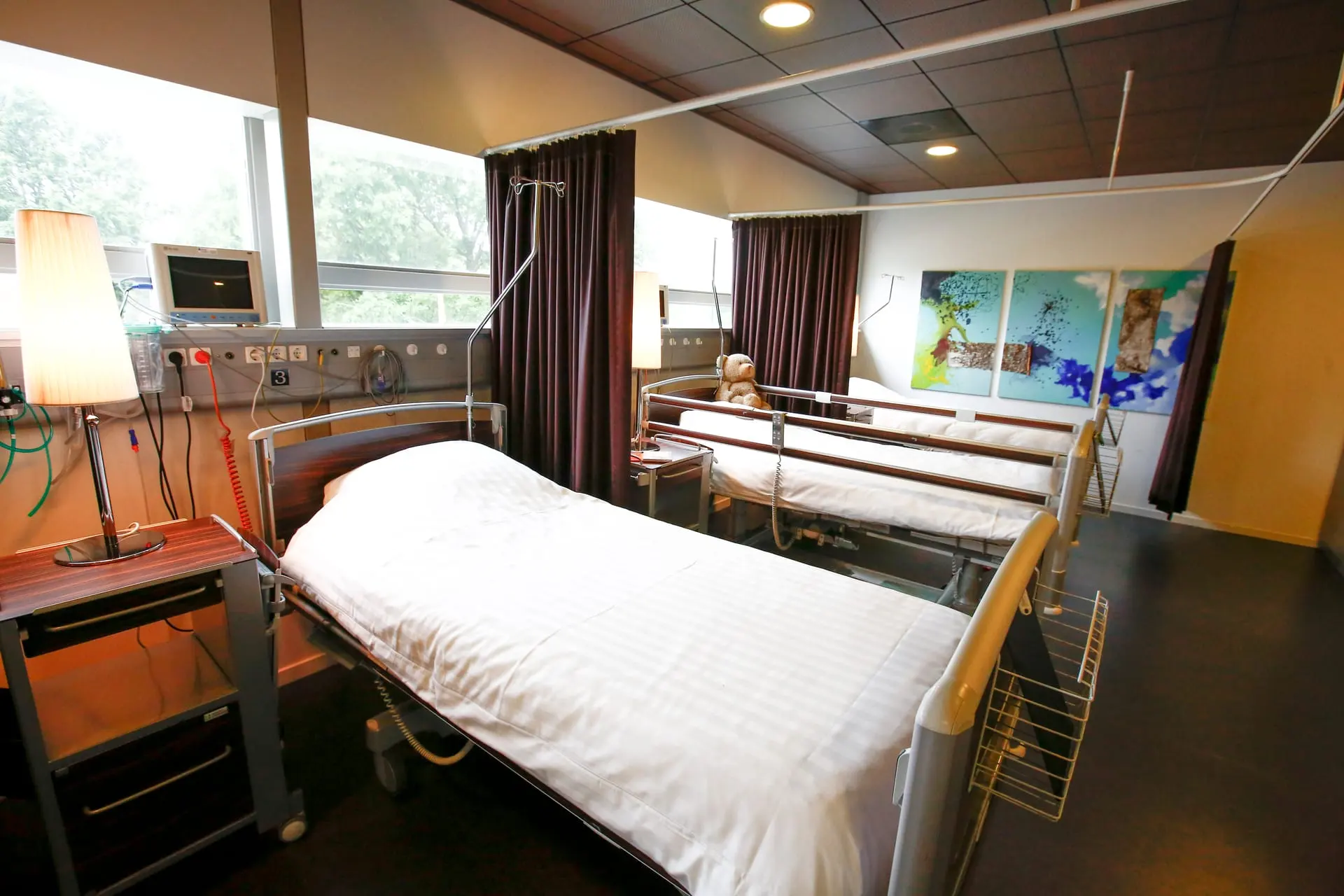
Appointments were made easily, and they kept asking whether the doctor's explanation was clear. The care around the operating theatre was also very good. There was good aftercare in the recovery room. You are a person and not a number.
Knee ligament injury · April 2024 · ZorgkaartNederland
Very satisfied with the short waiting time and the friendliness.
Frozen shoulder · April 2024 · ZorgkaartNederland
The biggest plus of Medisch Centrum Waalre for me was the speed with which they were able to help me. I could only get a first appointment at a hospital after 6 weeks, but in Waalre I could come in after just 2 days, and I was even operated on here within those 6 weeks! Above all, save yourself time!
Knee ligament injury · March 2024 · ZorgkaartNederland
Very, very satisfied with the care I received. A personal approach, and at every moment they calmly take time for you.
February 2024 · ZorgkaartNederland
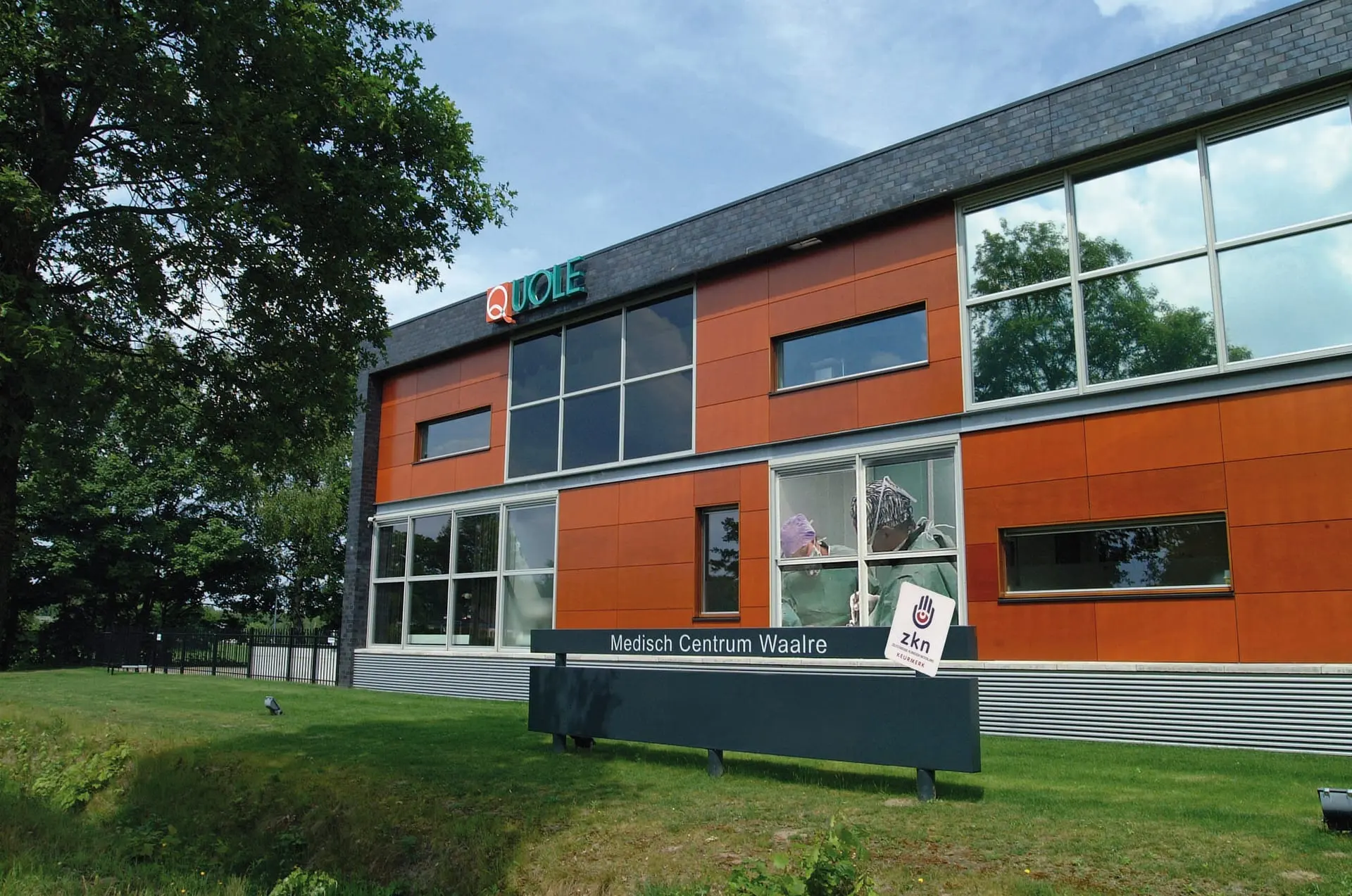
I went to Quole Medisch Centrum because of the dermatologist who has recently started working there. I used to go to this friendly and capable dermatologist before as well. As for Quole Medisch Centrum: a very beautiful building with presence, inside and out. Good service, friendly and no long waiting times. If you don't want to wait long, this medical centre is very good, with very capable doctors and staff working there. Recommended by a very satisfied patient.
Skin conditions · February 2024 · ZorgkaartNederland
I am very satisfied with dermatologist Debeij. A very skilled dermatologist who has always helped me really well. I was already going to this dermatologist when she still had her own clinic, because of less good experiences with other dermatologists. I have to drive a lot of km to get to Dr. Debeij, but it's worth it to me.
February 2024 · ZorgkaartNederland
Quole is a really nice medical centre. You are helped quickly and well looked after. The employees are all very kind!
Knee ligament injury · November 2023 · ZorgkaartNederland
Expert approach and solution to my problem. Super friendly and caring team of healthcare professionals.
Inguinal hernia · November 2023 · ZorgkaartNederland
All the staff around my hallux valgus operation radiate calm and friendliness. There is a relaxed and informal atmosphere in the clinic. You are understood and seen.
August 2023 · ZorgkaartNederland
Very fast, appropriate help and appointments that followed on well from one another. Top-notch organisation
Osteoarthritis · June 2023 · ZorgkaartNederland
Received clear information about the necessary treatment and the effect to be expected from it
May 2023 · ZorgkaartNederland
I was treated very well. They explained clearly what I could expect beforehand and also what to expect after the operation in terms of recovery.
Knee ligament injury · April 2023 · ZorgkaartNederland
As described in Quole's communication, you are treated as a guest. And that is true. The consultations, the operation itself and the aftercare were not only extremely professional but also very personal, friendly and unhurried. People with an eye and a genuinely listening ear both for your physical wishes/changes in appearance and for your state of mind (tension, fear, calm, self-confidence). Thanks to Dr. Donders for the clear advice, the plan and above all the beautiful result!
Breast augmentation · April 2023 · ZorgkaartNederland
The clinic's personal approach is very pleasant. You are treated not as a number but as a guest.
Knee ligament injury · March 2023 · ZorgkaartNederland
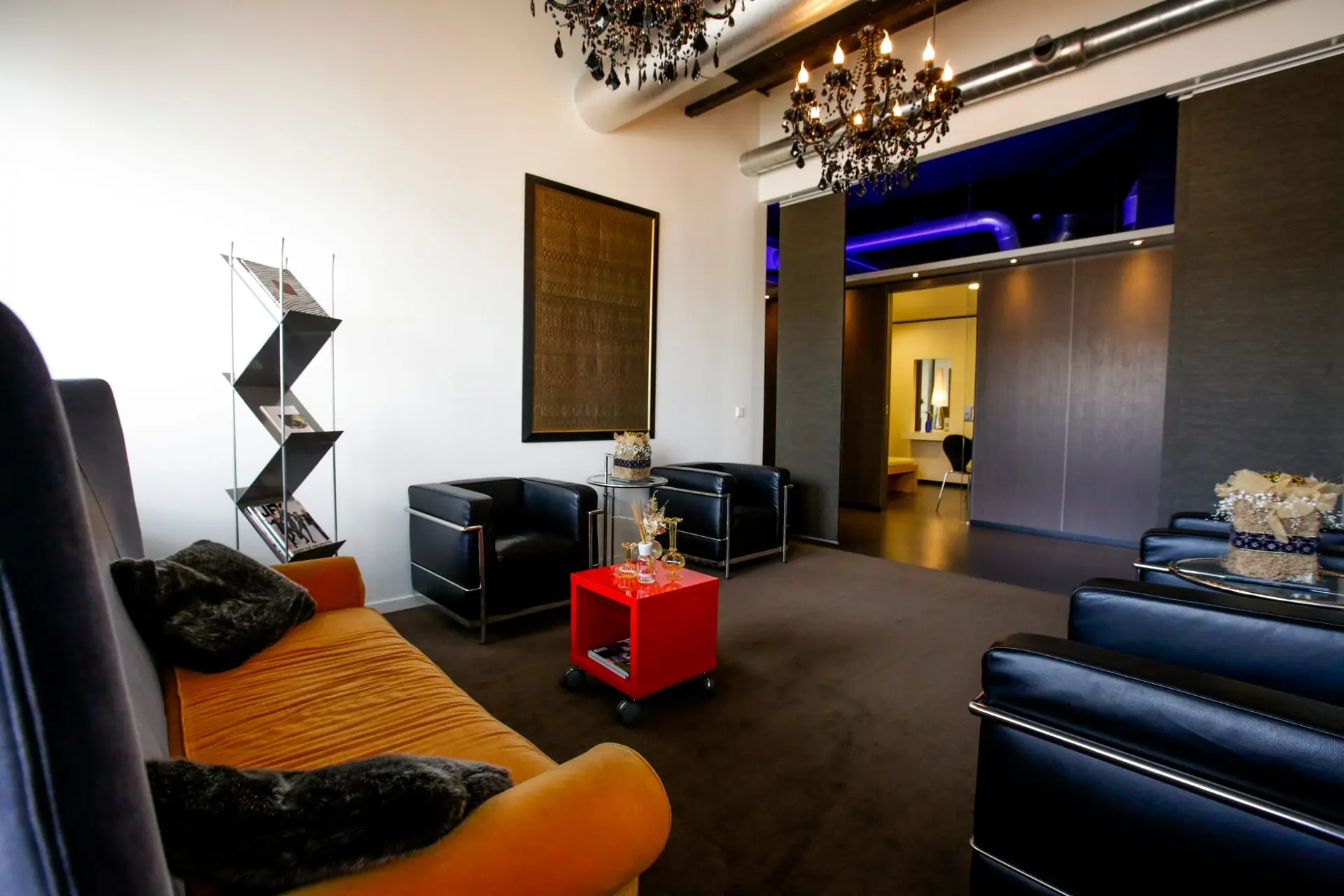
What a lovely clinic with friendly, professional care. There is a pleasant, caring atmosphere and Dr Hawinkels is a likeable, skilled plastic surgeon.
March 2023 · ZorgkaartNederland
They take me seriously
December 2022 · ZorgkaartNederland
The whole process went very well. Both beforehand during the intake consultation, and on the day of the operation and at the final consultation. The day after the operation, a member of staff kindly called me to ask whether everything had gone well and how I was doing. A small-scale, committed and very expert team. Compliments