By Harm Boons (orthopaedic surgeon, QUOLE Medisch Centrum)
That the knee in particular is the joint that gets injured in an accident on the piste is well known in the mountain villages too. Everyone knows the familiar orange banana that, with the patient, is deftly moved from mountain to valley by two bold ski heroes, a snowmobile or even a helicopter. To understand this better, we first need to take a closer look at the knee joint.
The knee in form and function
The knee joint is formed by: the thigh bone, the shin bone, the kneecap and the fibula. The fibula is not directly part of the knee joint but is the attachment point of important muscles and the outer knee ligament. The kneecap is located at the front of the knee in the course of the extensor tendon. In terms of function, the knee joint resembles a hinge, but in reality it has a more complex pattern of movement.
Because the thigh bone has a rounded shape and the lower leg a flat one, the two parts do not fit together well. To solve this, the body came up with the meniscus. A flexible crescent-shaped disc located on the inner and outer side of the knee between the upper and lower leg. The meniscus adapts its shape to the position of the knee and acts as a pressure distributor and shock absorber.
The knee gets its firmness or stability from the joint capsule and the 4 ligaments. These ligaments provide stability in particular during sideways movements of the knee. In the middle of the knee are the cruciate ligaments. The cruciate ligaments mainly keep forward and backward movements in check. The cruciate ligaments also play an important role in the rotational stability of the knee.
Skiing and the knee
That skiing in particular, and not snowboarding, causes a lot of knee injuries has to do with the fact that the two skis can move independently of each other. In the basic skiing posture, with the knee bent and the downhill ski in a slightly knock-kneed position, the anterior cruciate ligament in particular is susceptible to injury if the leverage of the ski is great enough. The foot is held firmly in the ski boot and the hip, as a very sturdy ball-and-socket joint, will rotate along with it. This phenomenon is known in ski sales and rental. That is why the ski binding is set correctly on the basis of ski length, sex, experience level and weight. At a certain set leverage force the ski will release from the binding and the pressure is taken off the knee. You do not see this in snowboarding because in a fall you cannot twist one knee. My own impression is that in a fall at high speed the bindings release properly. Probably because a short, intense pulse above the binding’s setting occurs here.
From the stories of my patients with knee injuries I often hear that it involves relatively low speeds and even “silly” falls when (almost) stationary. The twisting then happens gradually, so that the ligaments of the knee can tear before the ski boot releases. Combinations of injuries are common here, such as a partial tear of one of the ligaments together with meniscus injury and a tear of the anterior cruciate ligament.
Prevention is better than cure is an old adage here that still holds true. Good preparation, the right equipment and correct adjustment are recommended. And otherwise there is always your orthopaedic surgeon.
For more information:
Orthopaedics
Harm Boons
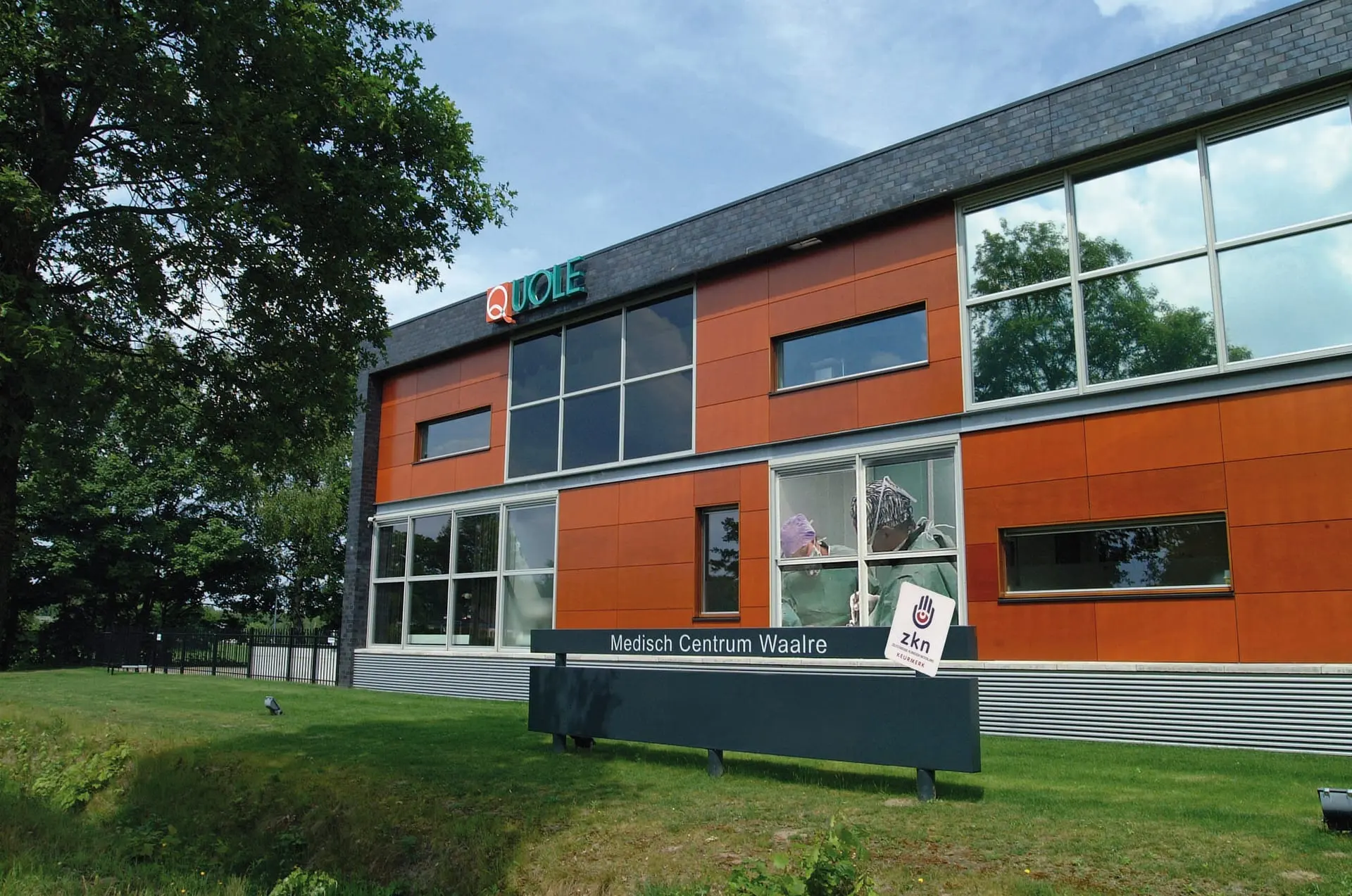
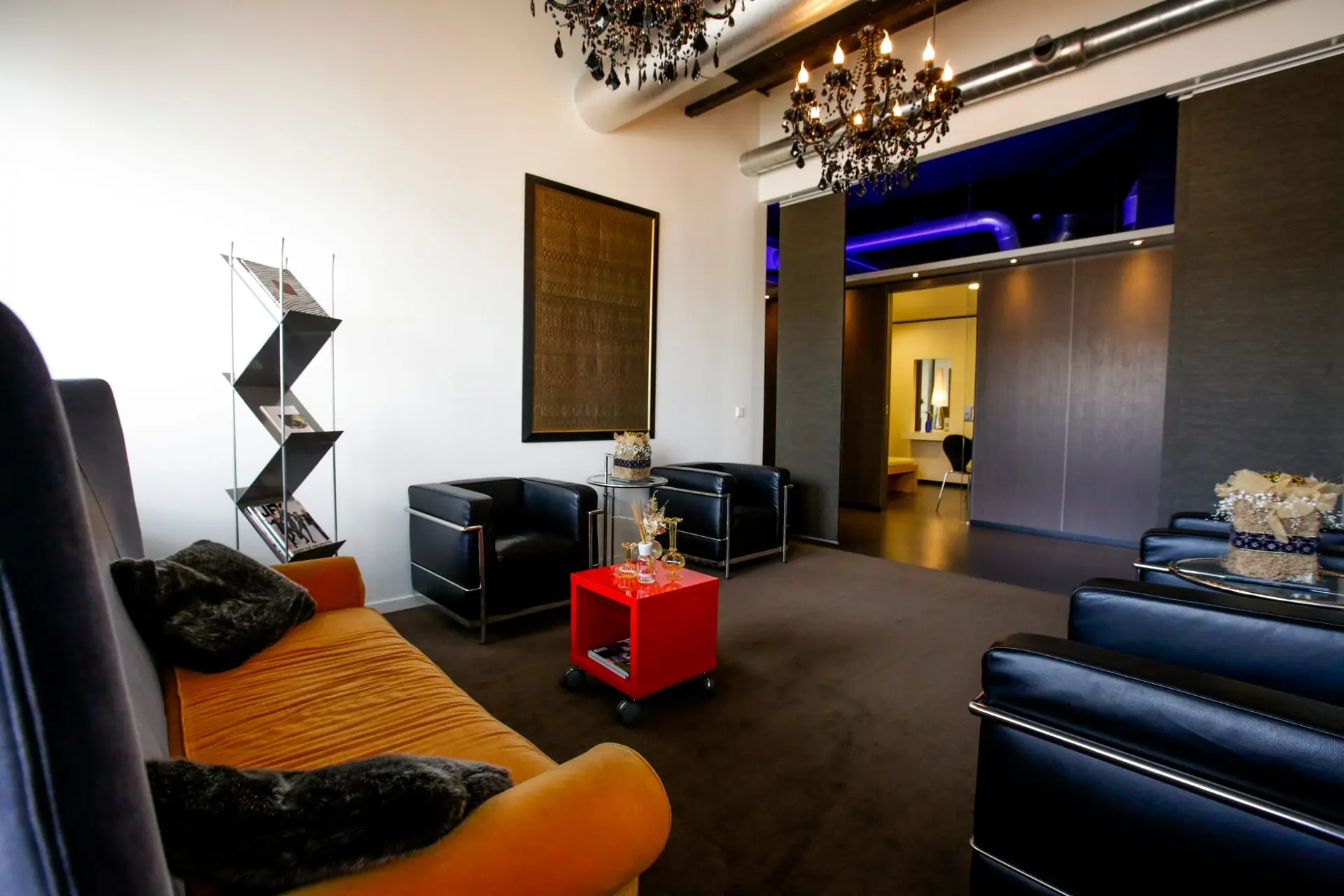
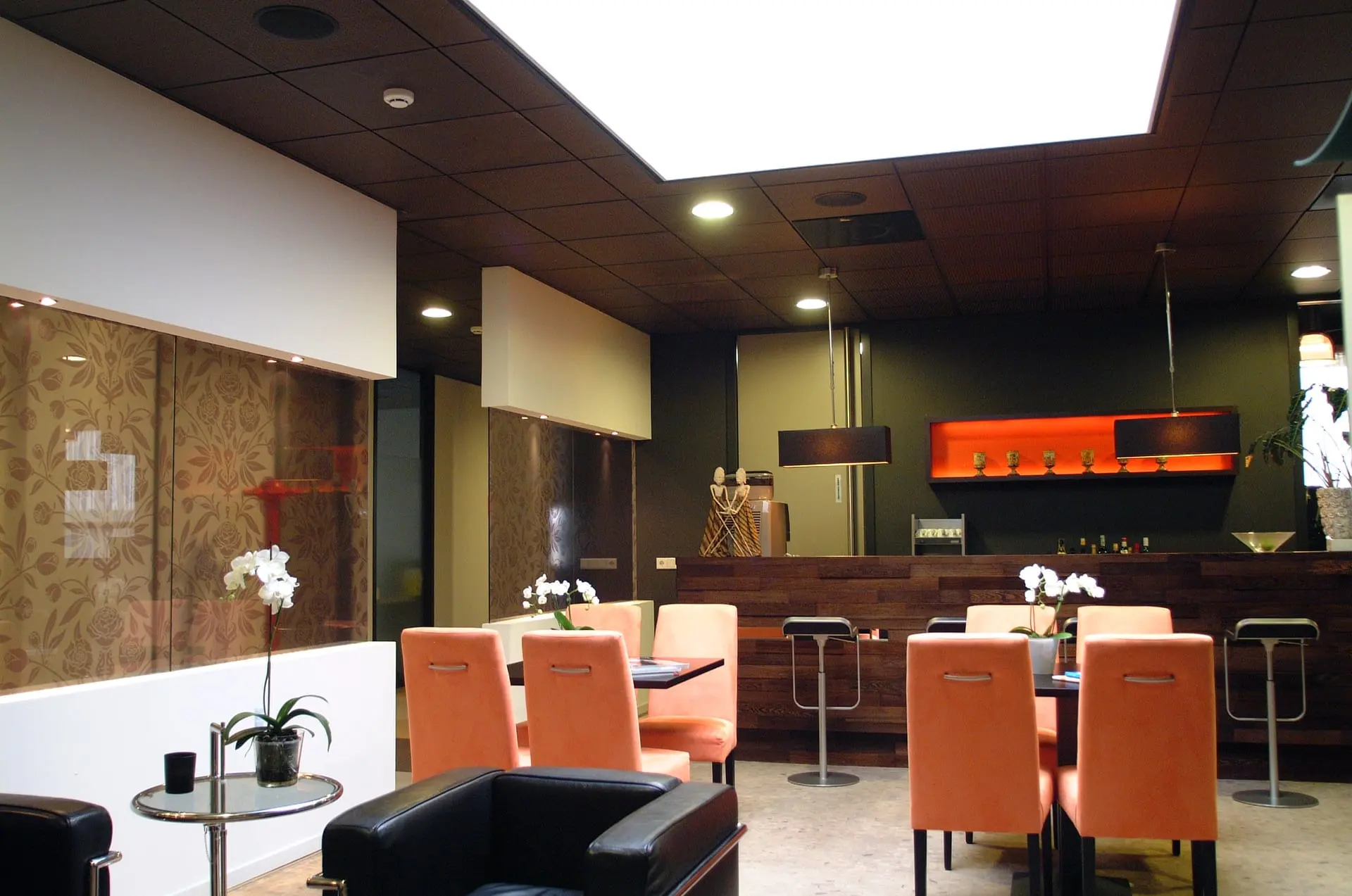
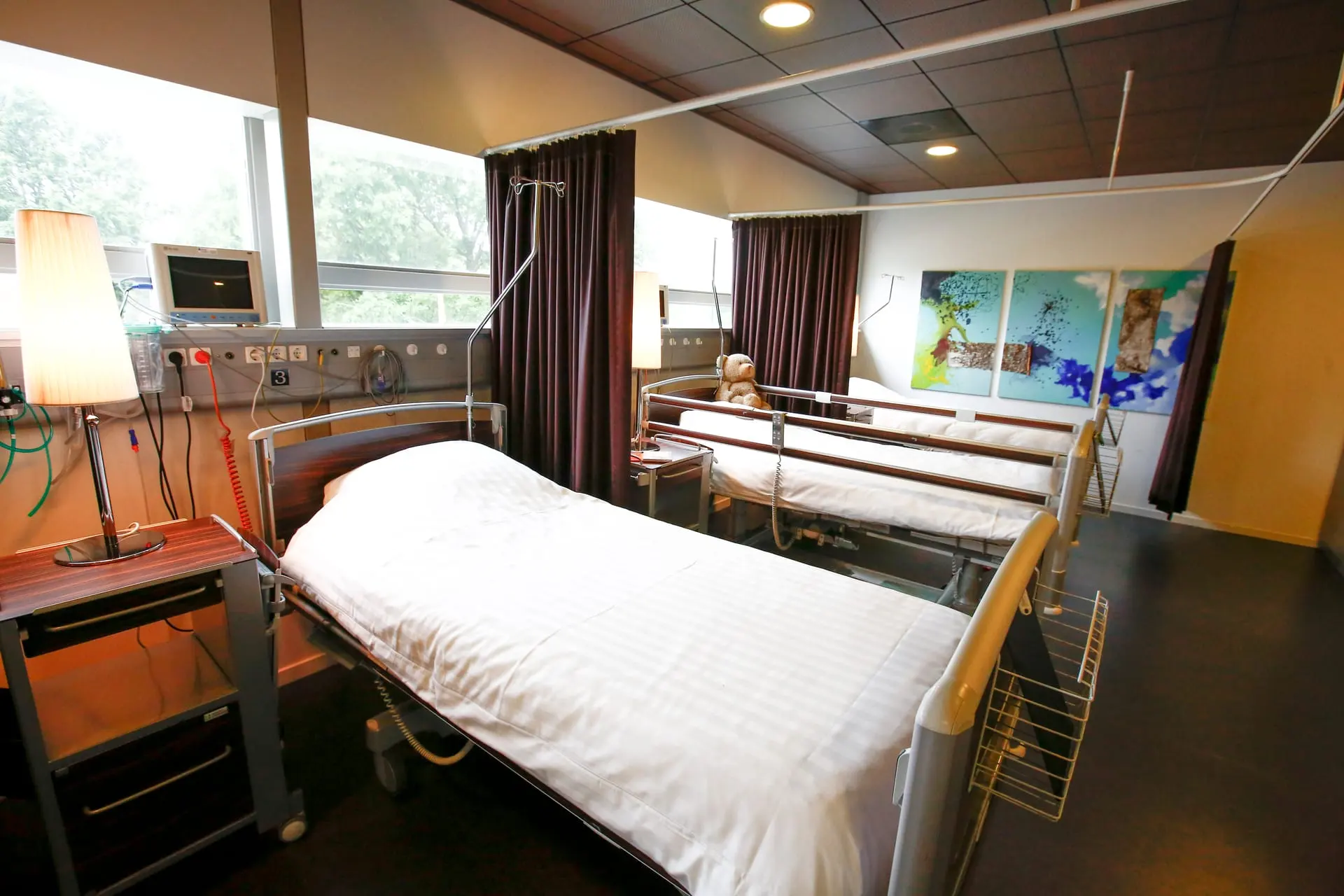
The building
Your treatment in Waalre.
Medisch Centrum Waalre, Van Dijklaan 9 in Waalre, just south of Eindhoven. Easy to reach from Eindhoven, Veldhoven, Valkenswaard, Geldrop and Heeze.
Had a breast reduction in October 2024. I can only look back on it with praise. What a great surgeon, Dr H. Hawinkel, with a great team around him in every respect. Thank you all for the beautiful result, the care and the aftercare! You're all stars!
Breast reduction · August 2025 · ZorgkaartNederland
Had my balloon refilled last week. And, like the first time when it was placed, a very nice, friendly welcome. No tension at all because they treat you so kindly and properly.
Claudia B. · August 2025 · ProvenExpert
Came to Dr. Boons with knee problems. Through the clinic's arrangement, the imaging could be scheduled within a day. Dr. Boons's explanation was very clear and he took all the time it needed. Very satisfied!
Knee ligament injury · June 2025 · ZorgkaartNederland
A dermatologist looks, assesses and treats straight away. Doctor Debije does this promptly and so fully meets my expectations!
May 2025 · ZorgkaartNederland
I was able to get in at Quole very quickly to have suspicious spots removed. I was helped in an expert and pleasant way. The assistant also thought along well to schedule the appointments so that they fitted in with my work.
Skin cancer · May 2025 · ZorgkaartNederland
Very satisfied with the medical secretaries as well as the doctor and all the care staff in between. Everyone took my difficult situation very seriously and acted quickly. I really felt heard. Doctor Hawinkel is a nice doctor. Thank you all!
Plastic surgery · April 2025 · ZorgkaartNederland
After going round the Netherlands, I ended up, through word of mouth, with dermatologist Dr. Debeij at Quole. In a word: a super dermatologist. I have never been helped so well anywhere else. I am very grateful.
February 2025 · ZorgkaartNederland
Got an appointment with the doctor extremely quickly with the help of supporting staff. Helped pleasantly and quickly
Meniscus injury · January 2025 · ZorgkaartNederland
Nice and homely, relaxed. I don't feel like a number but really like a patient. Helped quickly and smoothly! No long waiting times like in hospitals
Meniscus injury · January 2025 · ZorgkaartNederland
Very satisfied! A good and competent clinic.
Knee ligament injury · October 2024 · ZorgkaartNederland
Good information beforehand and during. Short waiting time, coordination. Professional, expert and friendly delivery of care. Careful and personal aftercare.
September 2024 · ZorgkaartNederland
I was helped very well
Knee ligament injury · June 2024 · ZorgkaartNederland
I was helped very well, unfortunately had a lot of bad luck, had good contact every day. And the corrective operation is planned. Completely satisfied
Plastic surgery · May 2024 · ZorgkaartNederland
On 28 Sept 2023 I had my tummy tuck, Fleur de lis, done. Doctor Donders operated on me and how good this doctor is, an artist! Happy every day with my decision and the result. I was treated well from day 1, they listened to me and thought along with me. I was well informed about what would suit me best. Super lovely staff and the doctor. Everyone is lovely, friendly and helpful. Once again, thank you all for the good care. Would do it the same way again without a doubt. This clinic and doctor are highly recommended.
May 2024 · ZorgkaartNederland
Finally I ended up with a dermatologist who told me very well and explained what caused my problem. Fortunately, this dermatologist did help me well.
May 2024 · ZorgkaartNederland
From my first appointment I have been very, very satisfied, with friendly people, professional too. I'm glad I chose QUOLE Medisch Centrum Waalre, thank you
May 2024 · ZorgkaartNederland
Appointments were made easily, and they kept asking whether the doctor's explanation was clear. The care around the operating theatre was also very good. There was good aftercare in the recovery room. You are a person and not a number.
Knee ligament injury · April 2024 · ZorgkaartNederland
Very satisfied with the short waiting time and the friendliness.
Frozen shoulder · April 2024 · ZorgkaartNederland
The biggest plus of Medisch Centrum Waalre for me was the speed with which they were able to help me. I could only get a first appointment at a hospital after 6 weeks, but in Waalre I could come in after just 2 days, and I was even operated on here within those 6 weeks! Above all, save yourself time!
Knee ligament injury · March 2024 · ZorgkaartNederland
Very, very satisfied with the care I received. A personal approach, and at every moment they calmly take time for you.
February 2024 · ZorgkaartNederland
I went to Quole Medisch Centrum because of the dermatologist who has recently started working there. I used to go to this friendly and capable dermatologist before as well. As for Quole Medisch Centrum: a very beautiful building with presence, inside and out. Good service, friendly and no long waiting times. If you don't want to wait long, this medical centre is very good, with very capable doctors and staff working there. Recommended by a very satisfied patient.
Skin conditions · February 2024 · ZorgkaartNederland
I am very satisfied with dermatologist Debeij. A very skilled dermatologist who has always helped me really well. I was already going to this dermatologist when she still had her own clinic, because of less good experiences with other dermatologists. I have to drive a lot of km to get to Dr. Debeij, but it's worth it to me.
February 2024 · ZorgkaartNederland
Quole is a really nice medical centre. You are helped quickly and well looked after. The employees are all very kind!
Knee ligament injury · November 2023 · ZorgkaartNederland
Expert approach and solution to my problem. Super friendly and caring team of healthcare professionals.
Inguinal hernia · November 2023 · ZorgkaartNederland
All the staff around my hallux valgus operation radiate calm and friendliness. There is a relaxed and informal atmosphere in the clinic. You are understood and seen.
August 2023 · ZorgkaartNederland
Very fast, appropriate help and appointments that followed on well from one another. Top-notch organisation
Osteoarthritis · June 2023 · ZorgkaartNederland
Received clear information about the necessary treatment and the effect to be expected from it
May 2023 · ZorgkaartNederland
I was treated very well. They explained clearly what I could expect beforehand and also what to expect after the operation in terms of recovery.
Knee ligament injury · April 2023 · ZorgkaartNederland
As described in Quole's communication, you are treated as a guest. And that is true. The consultations, the operation itself and the aftercare were not only extremely professional but also very personal, friendly and unhurried. People with an eye and a genuinely listening ear both for your physical wishes/changes in appearance and for your state of mind (tension, fear, calm, self-confidence). Thanks to Dr. Donders for the clear advice, the plan and above all the beautiful result!
Breast augmentation · April 2023 · ZorgkaartNederland
The clinic's personal approach is very pleasant. You are treated not as a number but as a guest.
Knee ligament injury · March 2023 · ZorgkaartNederland
What a lovely clinic with friendly, professional care. There is a pleasant, caring atmosphere and Dr Hawinkels is a likeable, skilled plastic surgeon.
March 2023 · ZorgkaartNederland
They take me seriously
December 2022 · ZorgkaartNederland
The whole process went very well. Both beforehand during the intake consultation, and on the day of the operation and at the final consultation. The day after the operation, a member of staff kindly called me to ask whether everything had gone well and how I was doing. A small-scale, committed and very expert team. Compliments